


Build 10x products in minutes by chatting with AI - beyond just a prototype.
Topics
What are no code platforms?
Are low code platforms better than no code?
Can I build mobile apps without coding?
When should I hire development teams?
Which platforms help founders build apps faster in 2026? Modern tools enable quick creation of web and mobile apps without deep coding, helping founders launch products efficiently and keep development moving forward.
Looking for the best software creation platforms for founders in 2026?
You don’t need deep coding skills or a huge budget anymore. Today’s app development platforms let founders build web apps, mobile apps, and internal tools faster than ever.
In fact, a report by Statista shows that low-code and no-code tools are expected to power over 65% of application development by 2027. That means founders can move from idea to product without waiting months for software development teams.
Let’s break down what are the best software creation platforms for founders.
So, why is everyone moving away from traditional software development?
It really comes down to speed, flexibility, and cost. Founders today want to move fast, test ideas early, and stay in control of their product without getting stuck in long timelines.
Modern app development platforms give founders the freedom to build, test, and improve without waiting months. Instead of relying fully on development teams, they can take the first step themselves and grow from there.
Before jumping into specific tools, it helps to understand the main categories. Each type of platform supports a different style of app development. Your choice depends on your goals, coding knowledge, and how much control you want over the development process.
No code platforms are perfect for non technical team members. You don’t need coding knowledge. You work with a visual interface.
You can build internal tools, client portals, and customer portals easily. These platforms often connect with data sources like Google Sheets.
They also come with automation capabilities, workflow automation, and collaboration features.
Low code platforms sit in the middle. They require some coding skills but not full software engineering expertise.
You can extend basic features with custom code. This is helpful when your app grows and needs more flexibility.
These are traditional development platforms. You need knowledge of programming languages.
They offer full control over code quality, architecture, and performance. Development teams usually use these for high quality software and complex systems.
Each of these development platforms plays a different role in modern software development. Many founders don’t stick to just one.
They often start with no code, move to low code, and later involve development teams for custom code when needed. The smart move is picking what fits your current stage, not what looks the most advanced
Then, how do you choose the right platform for your needs?
With so many app development platforms available, it’s easy to get confused. The key is to focus on a few practical factors that directly affect your development process and long-term growth.
Choosing the right platform is less about picking the most advanced option and more about finding what fits your current stage. Start simple, keep your development process flexible, and switch or scale your tools as your needs grow.
Next, let’s get practical. Here are some popular app development platforms and software development tools.
| Platform | Type | Free Plan | Learning Curve |
|---|---|---|---|
| Rocket.new | Pro code platform | Yes | High |
| Bubble | No code platform | Yes | Medium |
| FlutterFlow | Low code | Yes | Medium |
| Retool | Low code | Yes | Low |
Each app builder comes with key features like user authentication, file storage, and API integration.
Let’s take a closer look at all these tools. Below, we’ll break down each one so you can decide what fits your app development journey.
Rocket.new is built for founders who want fast app development without getting stuck in complex software development steps. It keeps things simple while still offering enough flexibility to grow.
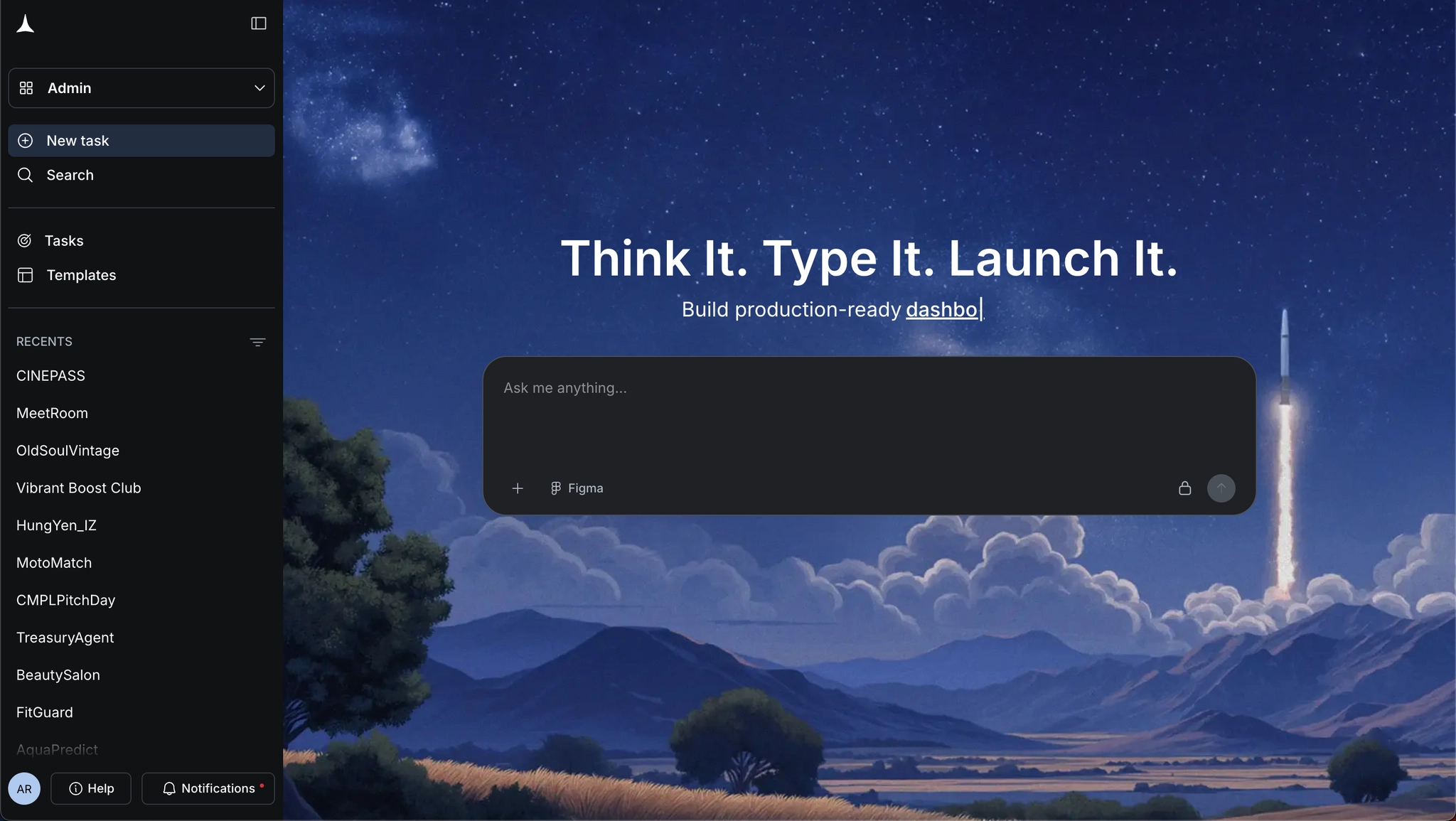
It works well for both non technical users and small development teams who want to build web apps or mobile apps quickly.
Founders who want fast app development without deep coding knowledge.
Comes with a generous free plan, with paid tiers based on usage.
Rocket.new is a great starting point if you want to validate ideas quickly and move into deeper software development later.
Bubble is one of the most popular no-code tools for building web apps. It gives you strong control over design and logic without writing code.
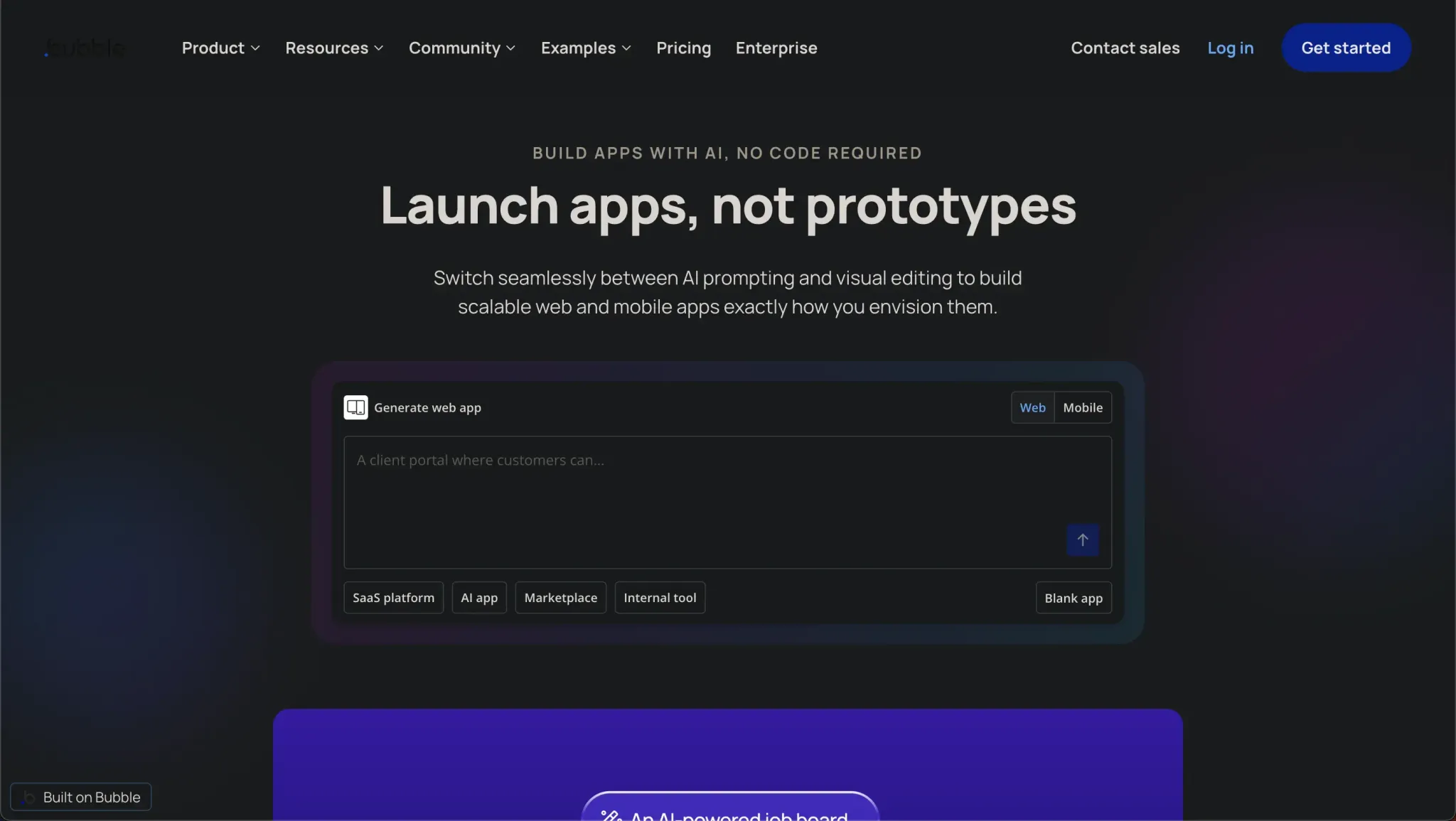
Bubble is one of the most popular no-code tools for building web apps. It gives you strong control over design and logic without writing code.
It is widely used by founders building MVPs and early-stage products.
Building web apps like marketplaces and SaaS platforms.
Free plan available, with paid plans for scaling.
Bubble is a solid choice if you want control without jumping into full software engineering.
FlutterFlow is a low code platform focused on building mobile apps with a clean user interface. It is based on Flutter, which supports native mobile apps.
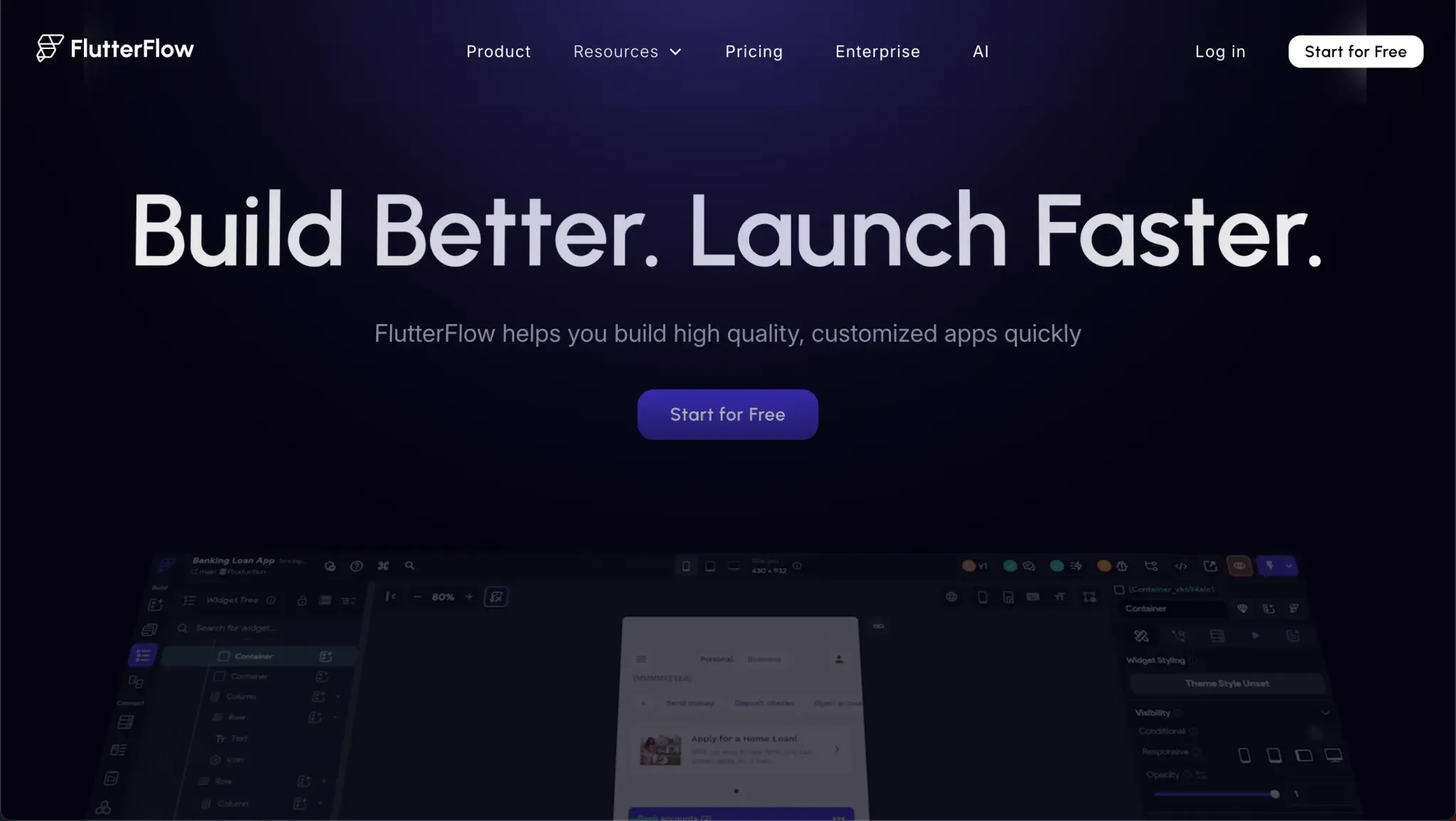
It is great for founders who want better design control and performance.
Design-focused mobile apps and cross-platform apps.
Free plan available with premium upgrades.
FlutterFlow works well if you want polished mobile apps with room for growth.
Retool is focused on building internal tools for businesses. It connects easily with databases and external tools.

It is widely used by development teams for quick internal dashboards.
Building internal tools and admin panels.
Free plan available with paid options for teams.
Retool is perfect for simplifying internal operations without heavy software development.
After that, let’s talk about use cases.
Not all apps serve the same purpose. Some are built for your team, while others are made for your users. Knowing the difference helps you pick the right app development platforms and plan your development process better.
Internal tools are built to support your team’s daily operations. These include dashboards, admin panels, reporting systems, and analytics tools.
They usually connect with a data source and focus more on functionality than design. Platforms like Retool are great for building internal tools quickly, especially when you need advanced analytics and fast setup.
Key points:
Customer-facing apps are built for your users. These include web apps and mobile apps that people interact with directly.
These apps need a strong user interface, smooth performance, and good scalability. Platforms like Bubble or FlutterFlow work well here, especially when design and experience matter.
Key points:
Both types of apps are important in your app development journey. Internal tools help your team run smoothly, while customer-facing apps help you grow your business. The best approach is to choose development platforms based on what you’re building right now, not just what you might need later.
Here’s a real insight from X about building with Rocket.new:
“just built a full-stack mobile app while standing in line for coffee. No laptop, no desk just my smartphone and Rocket.new. The game has officially changed.” Twitter
This perfectly shows how software creation is shifting. Founders are no longer tied to long development cycles or large software development teams. With platforms like Rocket.new, they can build web apps and mobile apps from simple prompts, even on a phone, and focus on testing ideas instead of waiting months to launch.
The way founders approach software development today is very different from a few years ago. The software development lifecycle is no longer rigid or slow. It’s flexible, faster, and more founder-friendly.
Flexible development process models
Founders are no longer locked into one fixed software development process. They can adapt as their product evolves.
Start simple, then scale
Many begin with no code, validate their idea, and then move to low code or full code when needed.
Faster feedback loops
Quick testing and user feedback help improve features early in the development process.
Continuous integration support
Many modern development platforms now support continuous integration, making updates smoother and improving code quality.
The modern development process is all about speed and adaptability. Founders can build, test, and improve without waiting through long cycles.
There’s no need to pick just one approach. The smartest founders mix no-code, low-code, and traditional software development based on their stage.
Mixing these approaches helps founders stay flexible. You build faster in the beginning and gain control as your product grows.
Not everything is perfect.
While modern app development platforms make things easier, there are still a few challenges you should keep in mind.
Steep learning curve in some tools
Not all platforms are beginner-friendly. Some come with a steep learning curve.
Limited advanced features
No code tools may not support all specialized features needed for complex apps.
Scaling issues
As your product grows, some platforms may struggle with performance.
Switching to custom code later
You might need to move to custom code for better flexibility and control.
Even with these challenges, modern development platforms are still a great starting point. For early-stage founders, the speed and simplicity often matter more than perfection.
With a mix of no-code, low-code, and full code options, founders can move faster, simplify their development process, and avoid a significant investment early on. Platforms like Rocket.new bring everything into one place, making app development smoother with built-in tools for internal tools, web apps, and mobile apps without deep coding knowledge.
The real takeaway is simple. The best software creation platforms for founders are the ones that help you take action quickly and grow step by step. You don’t need perfect code from day one. You need momentum and the right platform to support your journey. Rocket.new fits well here by giving founders a fast, flexible way to build, test, and improve without relying heavily on development teams. Start simple, build what matters, and scale your product as your needs grow.